
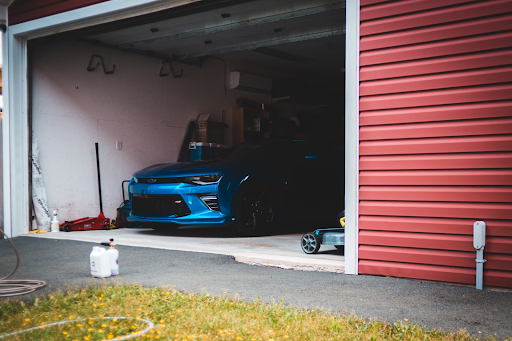
Source: Unsplash
If you walk into your garage and feel a rush of hot, humid air in summer, frigid cold in winter, or musty odors, it could be a sign that your garage isn’t ventilated properly. This isn’t just uncomfortable – it could be a danger to you and your family.
Learn more about garage ventilation, why it’s important, and how to ensure your garage is getting proper airflow.
“Garages can build up fumes because of vehicle exhaust, the chemicals you store inside, and a lack of windows or fans that can circulate air effectively.”
Garage Door Ventilation 101
Garage door ventilation refers to the flow of fresh air into your garage. Your garage is where you may park your car, complete DIY projects, and store hazardous household chemicals – all of which can linger in the space without proper ventilation. With enough buildup, these fumes can contaminate the air in your home and pose a risk to your health.
In addition, garages can get hot during summer weather – often by at least 10 degrees. If the temperature rises too much, it can damage anything you store inside, including paint, electronics, and more.
When moisture builds up in hot, stagnant air, mold can grow. You could end up with mold damage in your walls or rust on vehicles and appliances. Worse yet, if you park a wet car in your garage after driving in the rain, the humidity can rise significantly.
Ventilation keeps air circulating in your garage. Typically, this is done using an exhaust fan to improve airflow and remove moisture, stale air, and toxic fumes like carbon monoxide.
Some signs your garage may need better ventilation include:
- Temperatures that are too hot or too cold compared to the indoors or outdoors
- Strong, unpleasant odors like mold or chemicals
- Damp or musty odors
- Visible mold or mildew
How to Properly Ventilate Your Garage Door
Here’s how to add ventilation a garage:
Invest in an Exhaust Fan Kit
Garages can build up fumes because of vehicle exhaust, the chemicals you store inside, and a lack of windows or fans that can circulate air effectively. An exhaust fan is a simple fix that can generate better airflow. Many hardware stores offer exhaust fan kits that you can self-install.
You will need to know the square footage of your garage to get the right size garage fan. If you don’t already know the square footage, measure the height and width of the space and multiply by two to get the total square footage.
Exhaust fans are easy to install, but they do require cutting a hole in the ceiling, running wires, and sealing the edges. If you’re not comfortable, call a garage door contractor in Austin.
Consider a Floor Fan
If you don’t want to install an exhaust fan, floor fans for your garage are another option that require no installation. A garage ventilation fan is a large, industrial-looking fan, not like the fans you use in your home.
Install a Ventilation System
If your garage doesn’t have windows and ventilation is an ongoing issue, you can invest in a ventilation system to draw air in from the outside instead of simply circulating it. This involves installing vents to the outdoors high on the garage walls or roof.
Installing vents is a DIY job for homeowners with a little experience, but you will need to cut holes for the vents with power tools and seal any gaps with caulk. If you don’t have the tools or don’t feel comfortable doing the work yourself, call a contractor.
Get a Dehumidifier
If your garage gets high humidity levels, you can use a dehumidifier to remove excess moisture from the air. This can reduce mold and mildew growth, protecting both your garage and your belongings. There are numerous dehumidifier models on the market to suit your needs.
Don’t Idle Vehicles in the Garage
If you’re in the habit of warming your car up on cold mornings, it can negatively impact your garage’s air quality. Avoid running your car in your garage, even with the door open. You should also run gas-powered tools outside.
Air Out Your Garage Periodically
Even after a vehicle has been shut off, it releases toxic fumes into the air. Leaving the door open to air out your garage periodically reduces the pollutants in the air and helps you get rid of the stale, musty smell that can occur.
When to Repair or Replace Your Garage Door
If you’re struggling with garage ventilation, your garage door could be to blame. Older doors that have damage, leaks, poor insulation, or other signs of wear could let cool or warm air in, allowing it to build up.
In addition, older garage doors may not have adequate ventilation. Newer garage doors can have louvered, screened, or combined ventilation options to ensure that your garage is well ventilated without compromising security.
Here are some signs you need to repair or replace your garage door:
- Signs of damage, like dents, rust, cracks, or rotting.
- Poor insulation
- Noisy operation or excessive vibrations
- Excessively high or low temperatures in your garage
- High energy bills with no apparent cause, which could be from poor garage door insulation
Improve Your Garage Ventilation
Ventilating your garage is important for your comfort and safety. If your garage door needs repairs or an upgrade to improve your garage ventilation, Austin’s Greater Garage Doors can help. Contact us today for garage door repairs, replacements, installation, and advice!
