
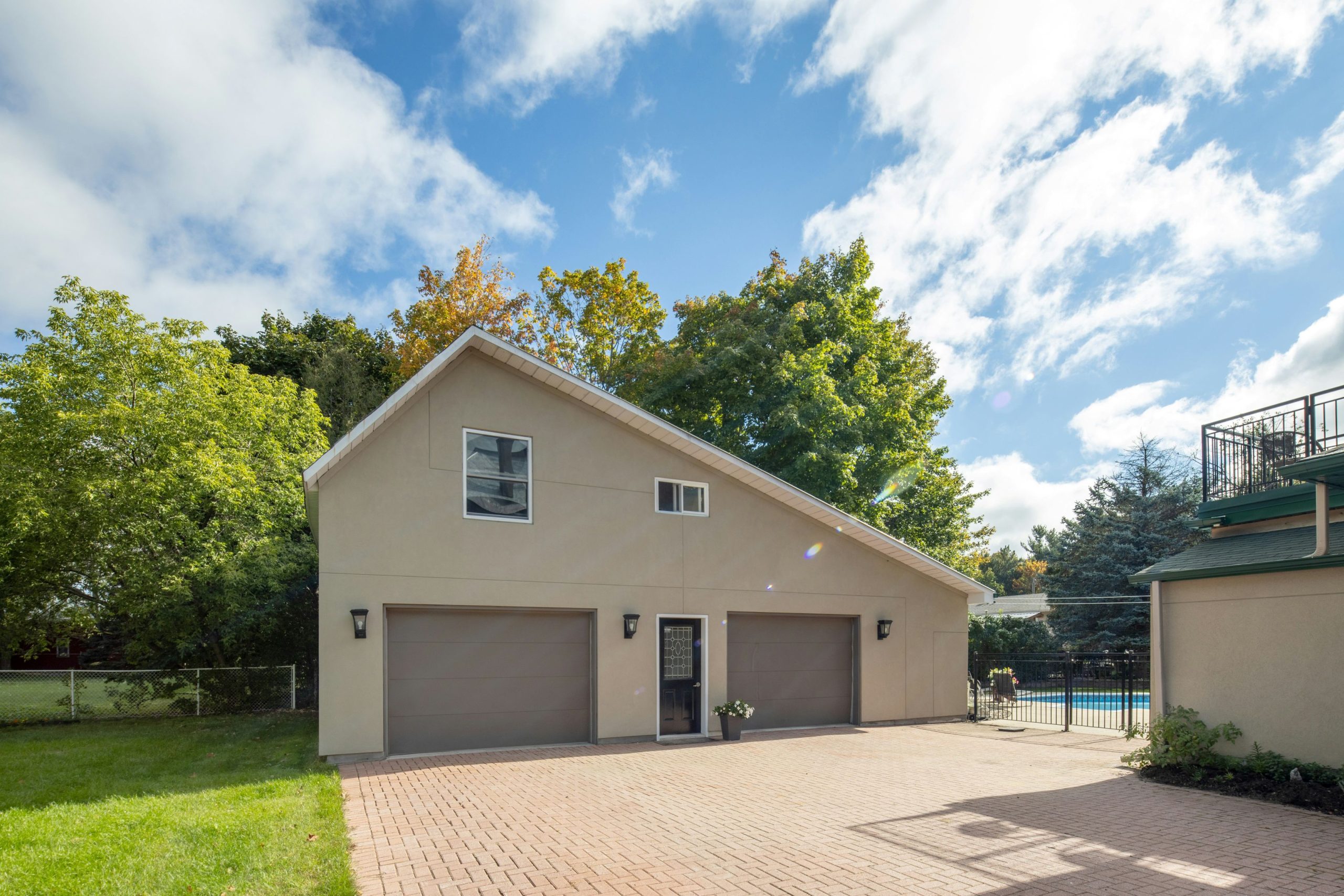
Source: Unsplash
Garage doors are an essential part of your home’s protection, security, and convenience, allowing you to enter your home easily and protect vehicles and other items stored in your garage. However, the extreme Texas heat can impact your garage door’s function and lifespan, not to mention turning your whole garage into a furnace.
Find out how to keep your garage door – and your entire garage – cooler during the hottest months and prevent damage.
“Extreme heat can wreak havoc on your garage door, leading to long-term damage.”
What Makes a Garage Door Hot?
Texas summers can be brutal, and your garage door may bear the brunt of extreme temperatures and bright sunlight. Several factors can cause your garage door to overheat, including:
- Material: Metal doors absorb and retain heat, while darker colors attract more sunlight.
- Direct sun exposure: South- and west-facing garage doors endure more sun exposure, leading to excessive heat buildup.
- Poor ventilation: Limited airflow traps heat inside your garage, making it feel like a furnace.
- Lack of insulation: Without insulation, garage doors transfer outdoor heat directly into your garage.
Why You Should Avoid a Hot Garage Door
A scorching garage door isn’t just uncomfortable. It can actually cause problems:
- Increased energy costs: If your garage is attached, excessive heat seeps into your home, making your AC work harder.
- Damage to vehicles and belongings: Heat can deteriorate car batteries, paint, and stored items like chemicals or tools.
- Garage door malfunctions: Heat expansion can cause doors to warp, stick, or close improperly.
- Safety concerns: Hot surfaces can be hazardous to the touch, especially for children or pets.
How to Reduce Heat from a Garage Door: 5 Tips
1. Choose a Heat-Reflective Color and Material
Lighter colors reflect sunlight, reducing heat absorption. If you’re considering a new garage door, choose aluminum or composite materials that are less prone to heat retention than steel. This also prevents warping or cracking, which can occur in extreme heat.
2. Add a Reflective or UV-blocking coating
A heat-reflective coating or UV-blocking paint can significantly reduce heat absorption. These treatments help deflect sunlight and keep the door cooler. Radiant paint, a special reflective coating, can be applied to the inside of your garage door to reduce heat absorption.
3. Install Garage Door Insulation for Hot Climates
While insulation is often associated with keeping warmth in during winter, it also helps keep heat out during summer. Look for garage door insulation kits designed for hot climates, such as foam board insulation or radiant barrier insulation.
High-quality weatherstripping seal gaps that allow hot air to seep in, keeping your garage cooler over the hot summer months.
4. Improve Garage Ventilation
Good garage door ventilation helps dissipate heat buildup. Consider installing wall vents or soffit vents to allow hot air to escape. You could also install large garage fans to exhaust hot air. Positioning fans at opposite ends of the garage can promote cross-ventilation, which maximizes airflow.
Keeping the garage door slightly open during cooler evening hours also allows some of the hot air from the day to vent out, cooling it down overnight. If your garage gets humid, consider getting a dehumidifier to pull moisture out of the air and make it easier for a fan to cool down the space.
5. Declutter Your Garage
A cluttered garage can retain heat because boxes and stored items restrict airflow. Consider adding shelves or organizing your loose supplies to create more open space, allowing for better airflow and reducing the heat trapped inside the garage. Wall-mounted shelves free up floor space and allow for better airflow.
While you’re organizing, get rid of things you no longer need, such as broken tools, old paints, or supplies you won’t use. Anything extra stored in your garage only takes up space and traps excess heat.
How to Know When Heat Has Damaged Your Door
Extreme heat can wreak havoc on your garage door, leading to long-term damage. Here are some warning signs to look out for:
- Garage door sticking in hot weather: Heat expansion can cause doors to warp and get stuck, affecting their operation.
- Garage door won’t close when hot: Heat and direct sunlight can interfere with sensors, leading to malfunctions.
- Visible warping or peeling: Warped panels or peeling paint may indicate that your garage door has taken a lot of heat damage over time.
- Increased noise when opening or closing: Heat expansion can cause metal parts to grind or become misaligned, leading to loud noises.
- If you notice any of these issues, it may be time to replace your garage door with one that’s better equipped to withstand high temperatures.
Contact Austin’s Greater Garage Doors for Expert Advice
If your garage door is struggling in the Texas heat, Austin’s Greater Garage Doors can help. Whether you need repairs, insulation upgrades, or a full garage door replacement, we have the experience and expertise to keep your garage comfortable and functional. Contact Austin’s Greater Garage Doors for garage door repairs, replacements, installation, and advice for keeping your garage cool all summer.
